Blog
How Can Industrial Maintenance Teams Implement AI-Assisted Preventive Maintenance?
AI is transforming how industrial teams predict failures, prioritize tasks, and optimize equipment reliability. Here’s how experts are putting it into practice.
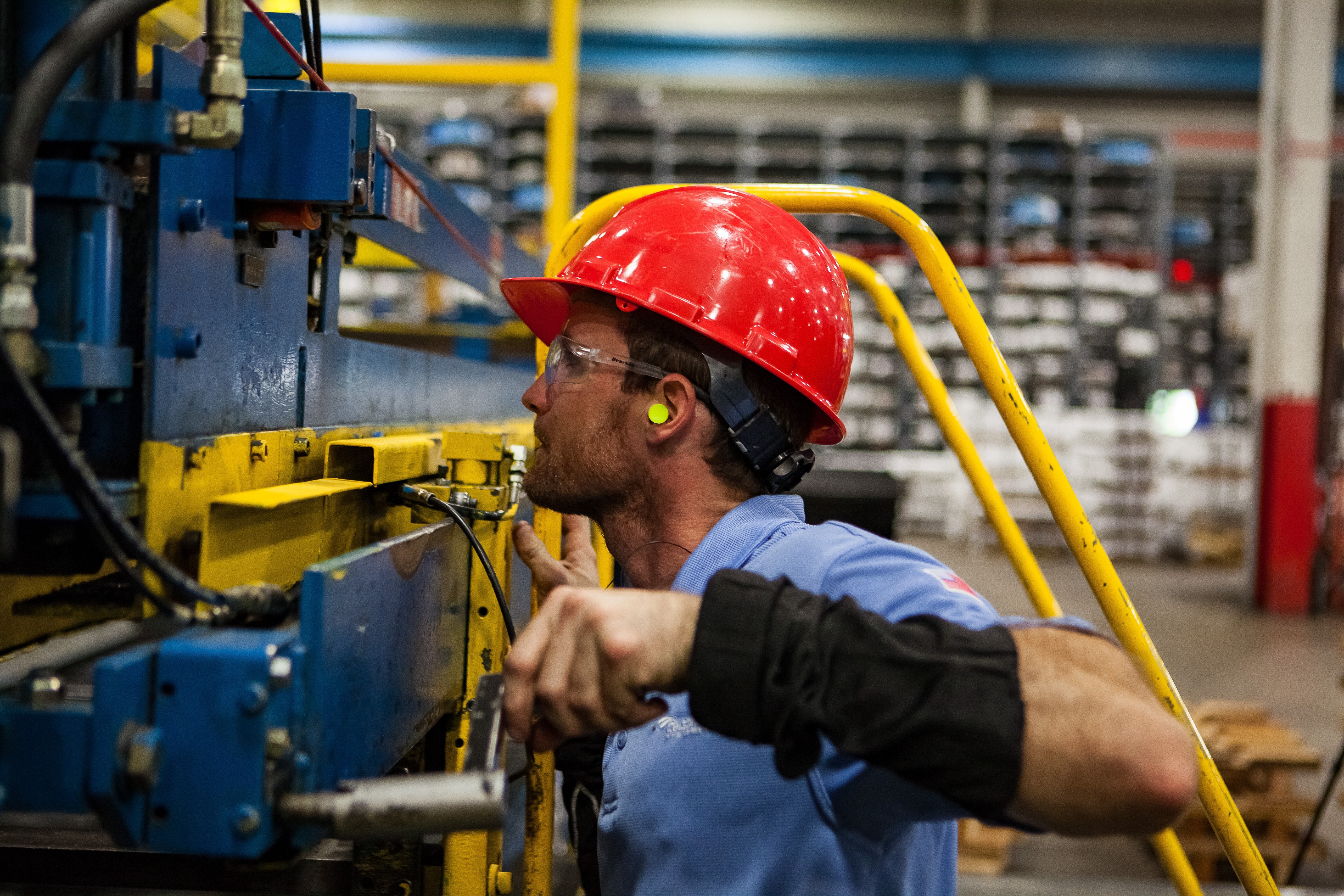
In today’s industrial landscape, unexpected equipment failures can cost thousands in downtime and lost productivity. Traditional preventive maintenance, based on fixed schedules, is no longer enough to ensure reliability. AI-assisted preventive maintenance is changing the game, giving maintenance teams the ability to predict failures, prioritize critical tasks, and optimize equipment performance before problems arise.
This article explore how industrial maintenance experts implement AI-driven strategies to maximize uptime, reduce costs, and make data-driven decisions that keep operations running smoothly.
1. Centralize Equipment Data for Predictive Insights
Maintenance experts know that AI-driven predictions rely on high-quality, consolidated data.
Start by:
Collecting sensor data on vibration, temperature, pressure, and runtime
Aggregating historical maintenance records and failure reports
Using a centralized CMMS to unify all equipment data
This enables AI to detect patterns and predict potential failures before they impact operations.
2. Select AI Tools That Fit Industrial Workflows
The value of AI comes from seamless integration:
Ensure the AI platform integrates with your CMMS or ERP
Prioritize real-time monitoring and alerting
Leverage predictive analytics to schedule preventive actions effectively
Experts rely on solutions that combine AI insights with actionable maintenance workflows.
3. Translate AI Predictions into Actionable Work Orders
AI insights are only effective when acted upon promptly. Maintenance teams should:
Automatically generate work orders for predicted failures
Prioritize interventions based on risk and operational impact
Continuously update AI models with new sensor data to refine accuracy
This approach moves maintenance from reactive or calendar-based schedules to dynamic, data-driven planning.
4. Train Teams to Interpret AI Data
Experts emphasize that AI is a decision-support tool, not a replacement for experience. Teams should:
Understand AI risk scores and anomaly alerts
Coordinate with operations to implement preventive tasks without disrupting production
Provide feedback to refine AI predictions and improve reliability
AI dashboards that clearly present predictive insights enable faster, more informed maintenance decisions.
5. Measure Performance and Refine Strategies
Maintenance excellence requires continuous improvement:
Track MTBF, downtime, maintenance costs, and predictive accuracy
Use metrics to adjust priorities and optimize AI-driven preventive schedules
Refine sensor placement and data collection for better predictive outcomes
By treating AI as an evolving system, teams can maximize uptime and equipment reliability.
Industrial maintenance teams that implement AI-assisted preventive maintenance can significantly improve equipment reliability, reduce unplanned downtime, and optimize resource allocation. Key factors include centralized equipment data, integrated AI tools, actionable insights, and continuous refinement of predictive models.
Using an intuitive CMMS tool to consolidate data and an AI predictive maintenance solution to forecast failures allows teams to turn insights into measurable operational improvements. These practices help organizations establish themselves as leaders in industrial reliability while maintaining efficient, proactive maintenance workflows.

You’re one click away from effortless maintenance
Connect your data, sync your workflows,
and see results in your first week.